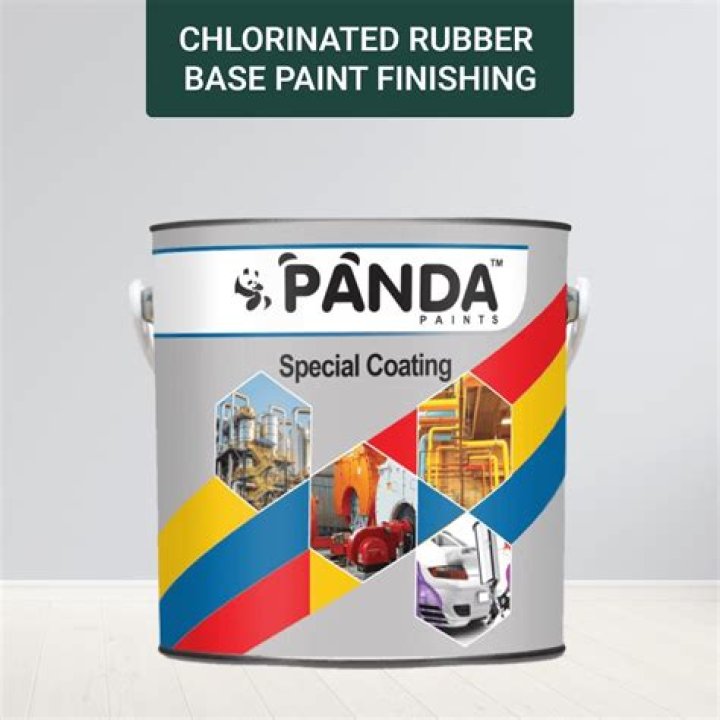
Can I paint over chlorinated rubber paint?
All paintable surfaces must be dry prior to painting with chlorinated rubber. Wait at least 5 dry, sunny days prior to filling pool.
Can you paint chlorinated rubber over epoxy?
Can I apply epoxy paint over chlorinated rubber paint or chlorinated rubber paint over epoxy paint? Different technologies are not compatible, so we recommend chlorinated rubber over chlorinated rubber, epoxy over epoxy. However, if you put our epoxy primer on first, then the different paint can be used with no issues.
How do you thin chlorinated rubber paint?
Application of first coat: On new pools, thin the first coat of Teamac Chlorvar Chlorinated Rubber Paint (approximately 10% by volume with Teamac Thinner 15) to aid penetration into the concrete. If the pool is already painted there is no need to thin the first coat. Apply either by brush or short pile roller.
How long does Chlorinated Rubber Pool paint Last?
two to eight years
Once installed in the pool, you can expect rubberized paint to last from two to eight years, at which time the pool will need to be painted again.
How long does it take for rubber pool paint to dry?
It can take 2-8 hours for a coat of paint to dry; depending on temperature, wind and humidity. Work fast, but steadily, and monitor the amount of paint that you are using, so that you don’t end up running short on paint, or having much left over.
Does chlorine damage paint?
Although a bleach-and-water solution is often heralded for its ability to clean many things, it should not be used on a car. Bleach is an oxidizer and it will pit metal and discolor paint. Although it’s impossible to shield the car from everything, there are precautions that can be taken.
How does bleach affect rubber?
Use of bleach may discolor or damage the rubber material. Because rubber is porous, the mold may penetrate the surface of the rubber. Eventually, this can cause the rubber to fall apart. Both vinegar and bleach are effective at killing mold.
What kind of paint should I use to repaint my Pool?
Epoxy is the only paint that is suitable for pools that have a marbelite finish. Pool paint with a chlorinated rubber base is not as durable or expensive as epoxy paint but is dependable, easy to use and an inexpensive pool paint. It is easy to apply, comes in many colours and will last about 3 – 5 years.
Why is chlorinated rubber paint used in swimming pools?
Chlorinated rubber paint is widely used in situations where a surface is exposed to the elements because of its strong heat and water resistant properties. You’ll often find it on road line marking, manhole covers, swimming pools and animal pens.
Can you use epoxy on rubberized pool paint?
In the worst case, rubberized pool paint needs to be sandblasted off before applying epoxy, although you can try using a conversion product. Rubberized pool paint conversion kits are specialized paints that you paint over the rubberized surface so it will accept an epoxy.
Which is the best coating for a pool?
Looking for a pool coating that is effective and durable? Dura-Rubber is just exactly that – a water-based liquid rubber pool coating solution with a real rubber base, which makes it 100% waterproof.
What kind of paint to use on a pool?
About Acrylic Pool and Fountain Paint Rust-Oleum® High Performance Acrylic Pool Paint is designed to offer advantages over traditional solvent based paints. This high performance acrylic can and should be applied to damp surfaces. This paint is safe to apply to previously painted chlorinated and synthetic rubber surfaces.
Can you use acrylic paint on a fiberglass pool?
This paint is safe to apply to previously painted chlorinated and synthetic rubber surfaces. This acrylic will clean up with soap and water and can allow the pool to be filled within 3 days after the final application of paint, when short down times are critical. Do not use on fiberglass surfaces, hot tubs, or spas.
Chlorinated rubber paint is widely used in situations where a surface is exposed to the elements because of its strong heat and water resistant properties. You’ll often find it on road line marking, manhole covers, swimming pools and animal pens.
In the worst case, rubberized pool paint needs to be sandblasted off before applying epoxy, although you can try using a conversion product. Rubberized pool paint conversion kits are specialized paints that you paint over the rubberized surface so it will accept an epoxy.
